The Soybean Miracle of Tian Ye Qin Xue
Life of a Soybean
It All Starts with a Single Soybean!
It All Starts with a Single Soybean!
The Life of a Soybean — A Journey from Land to Table
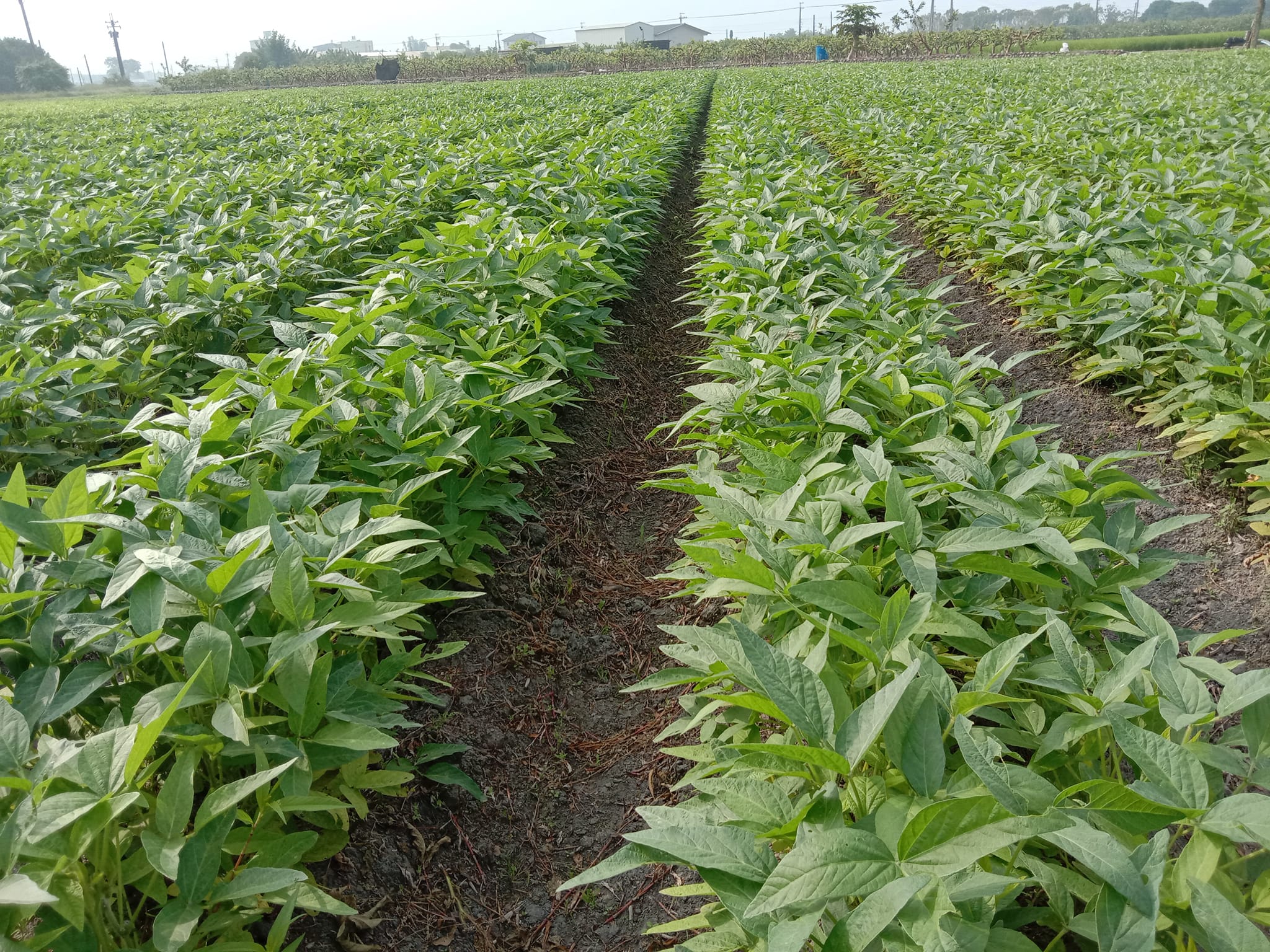
In Taiwan, soybean cultivation is mainly divided into the Spring Crop (sown in February–March) and the Autumn Crop (sown in August–September). The process from planting to harvest typically takes 90 to 120 days.
1. Sowing and Germination Phase
Before planting, soybeans can be soaked to promote sprouting. It is essential to choose well-drained soil. Factors such as spacing between plants and rows, water management, and the timing of sowing all affect yield and quality.
1. Sowing and Germination Phase
Before planting, soybeans can be soaked to promote sprouting. It is essential to choose well-drained soil. Factors such as spacing between plants and rows, water management, and the timing of sowing all affect yield and quality.
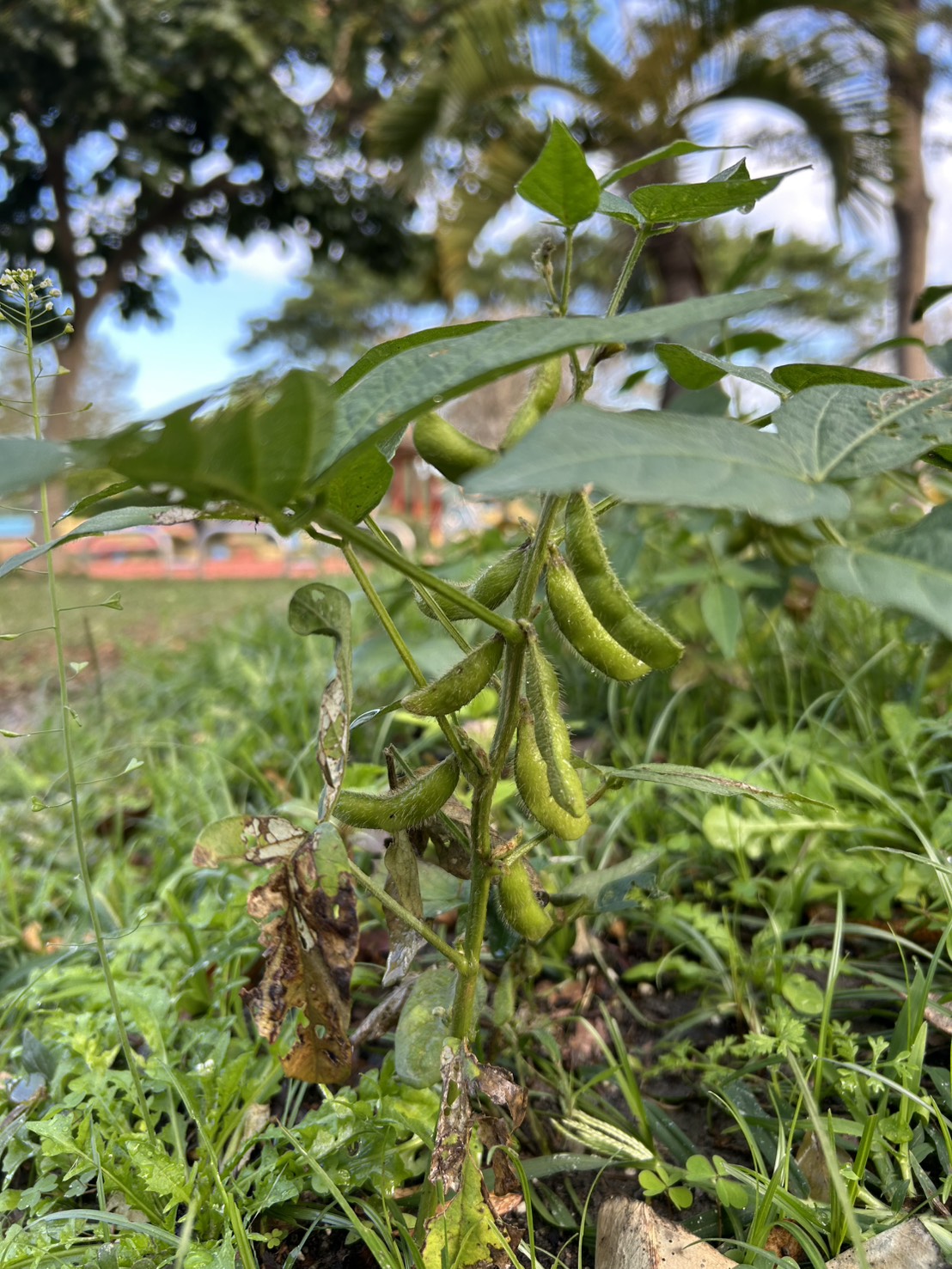
2. Vegetative Growth Phase
The main stem develops compound leaves and begins to branch. During this time, the plants need ample sunlight. Moderate weeding and thinning are required to ensure each plant has enough space to grow.
3. Flowering and Podding Phase
Small purple or white flowers begin to bloom at the leaf axils. After the flowers wither, they develop into young pods. This stage is the "critical water period"; a lack of water can cause pods to drop, severely impacting the harvest.
4. Pod Maturity Phase
Seeds inside the pods expand rapidly, requiring sufficient water and nutrients. If harvested now, they are what we commonly know as "Edamame." Later, the pods turn brown, leaves yellow and fall off, and the seeds harden.
The main stem develops compound leaves and begins to branch. During this time, the plants need ample sunlight. Moderate weeding and thinning are required to ensure each plant has enough space to grow.
3. Flowering and Podding Phase
Small purple or white flowers begin to bloom at the leaf axils. After the flowers wither, they develop into young pods. This stage is the "critical water period"; a lack of water can cause pods to drop, severely impacting the harvest.
4. Pod Maturity Phase
Seeds inside the pods expand rapidly, requiring sufficient water and nutrients. If harvested now, they are what we commonly know as "Edamame." Later, the pods turn brown, leaves yellow and fall off, and the seeds harden.
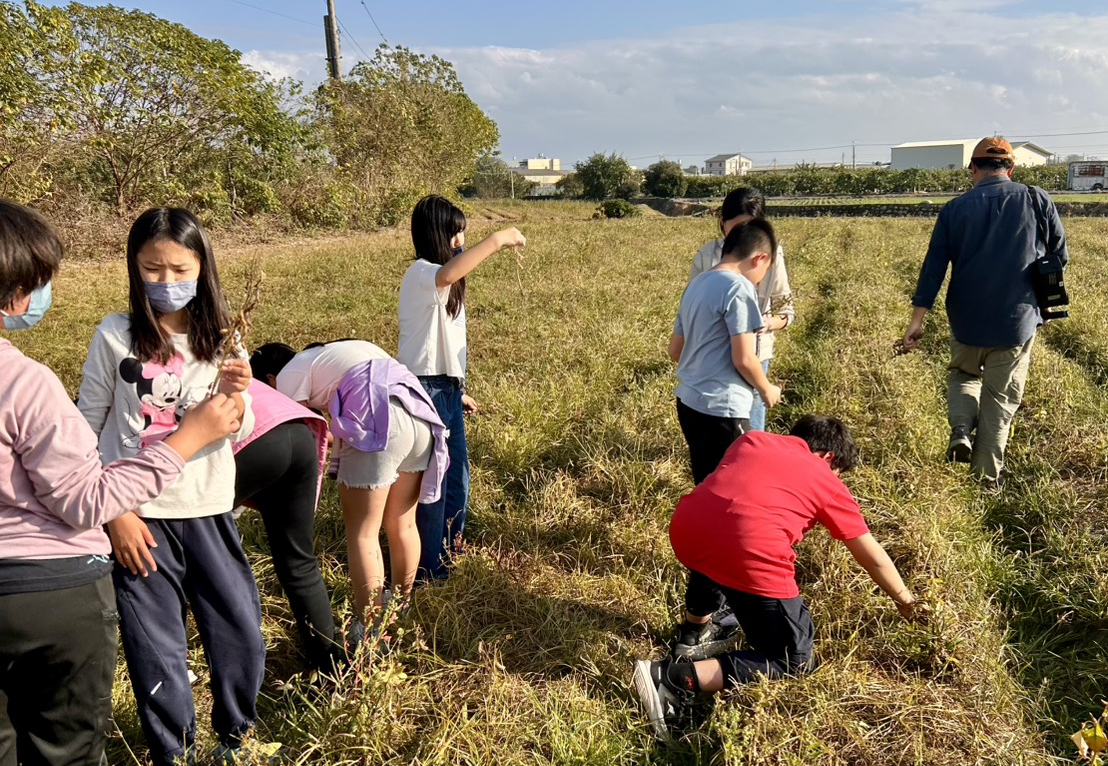
5. Harvest and Post-processing
When the pods on the entire plant have dried out, they are ready for harvest. Harvested soybeans must undergo sun-drying or mechanical drying before they can be stored.
Mr. Chen Guang-jing points out that the greatest challenge in agriculture lies in weather factors, as open-air cultivation makes it impossible to fully control climatic conditions. For instance, stunted soybean growth may be related to late sowing or field flooding. Weather changes often exceed expectations; even with thorough planning, crops can still be affected by heavy rain or climate anomalies.
Natural Farming
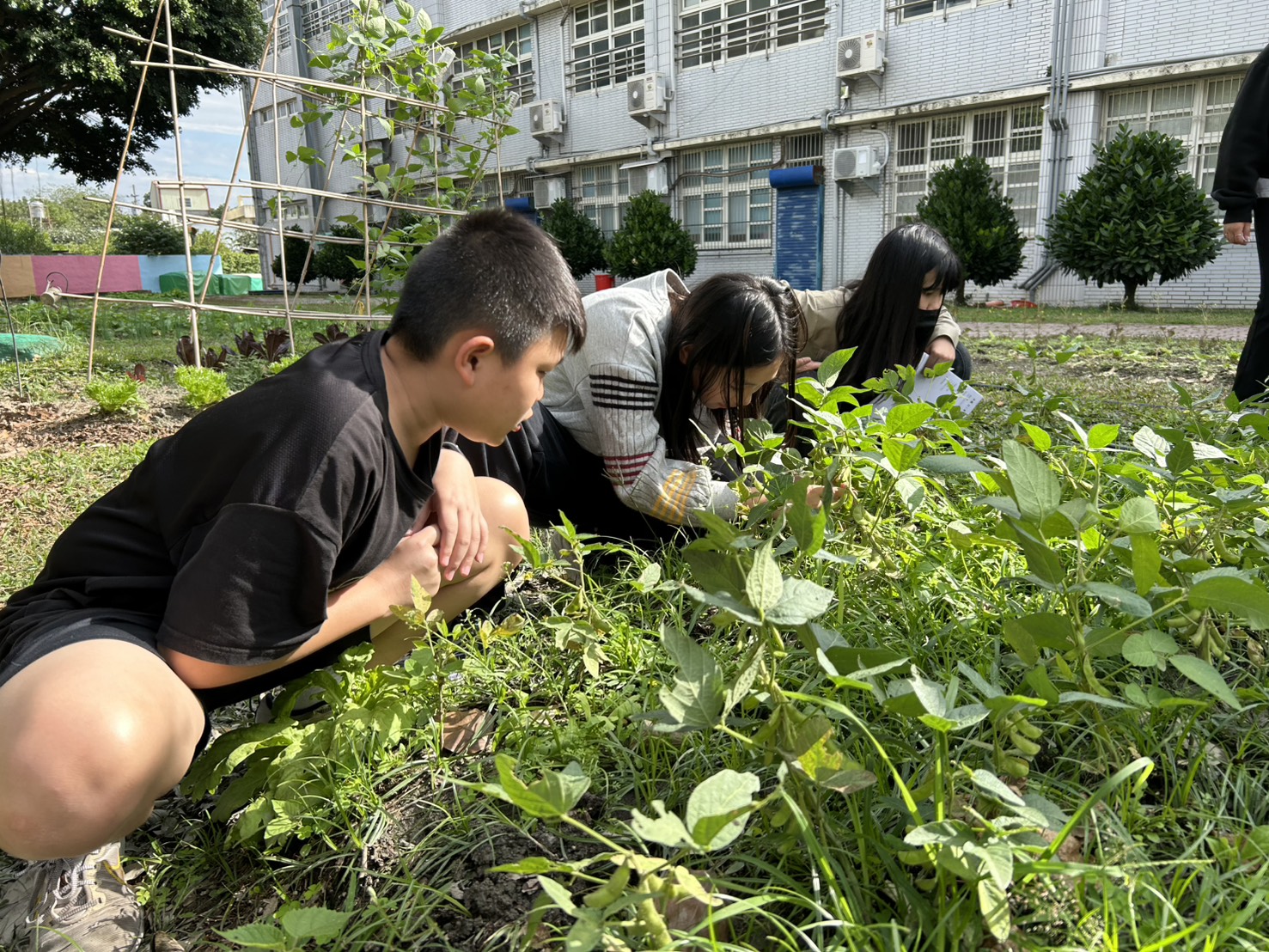
Natural farming is a cultivation method that follows the laws of nature. Its primary benefit is the elimination of chemical fertilizers and pesticides. As chemical substances are reduced, the soil gradually regains its health, and the microbial ecosystem becomes richer. This enhances the crops' ability to absorb nutrients, restores the soil's original productivity and ecological balance, and leads to more stable crop growth.
Natural farming is a cultivation method that follows the laws of nature. Its primary benefit is the elimination of chemical fertilizers and pesticides. As chemical substances are reduced, the soil gradually regains its health, and the microbial ecosystem becomes richer. This enhances the crops' ability to absorb nutrients, restores the soil's original productivity and ecological balance, and leads to more stable crop growth.
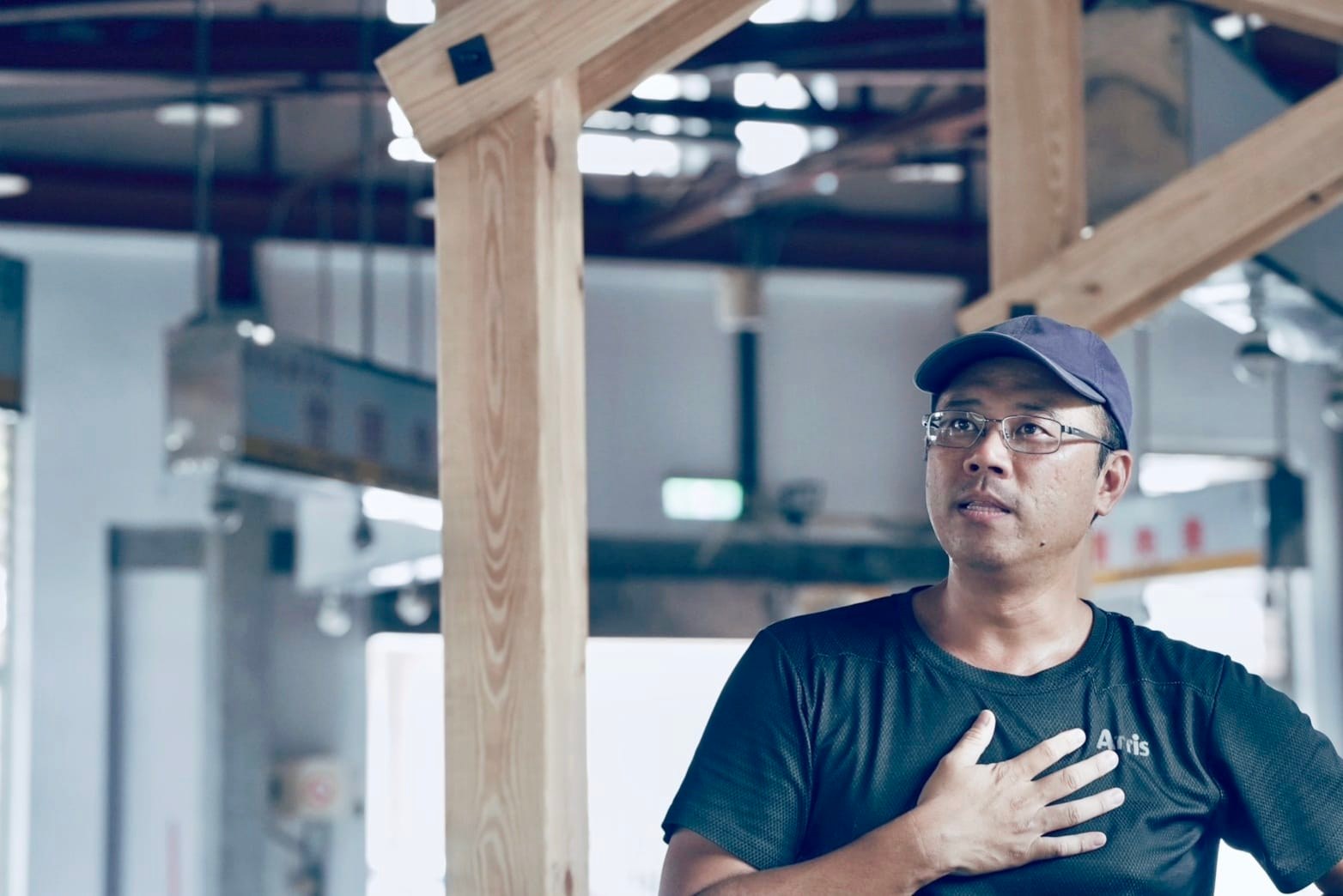
Mr. Chen Guang-jing states that the most critical skill for a natural farming producer is observing the relationship between crops and the land, and making adjustments based on environmental conditions. For example, pest and disease control in natural farming primarily adopts eco-friendly methods: using mineral or natural oils that are atomized and sprayed onto leaves to cover fungal spores and insect surfaces, thereby reducing their viability. Alternatively, sex pheromones are used to trap pests and lower their population density rather than completely eradicating them. Additionally, timely weeding prevents excessive humidity in the fields, which reduces the occurrence of pests and diseases.
Facts About GMO and Non-GMO
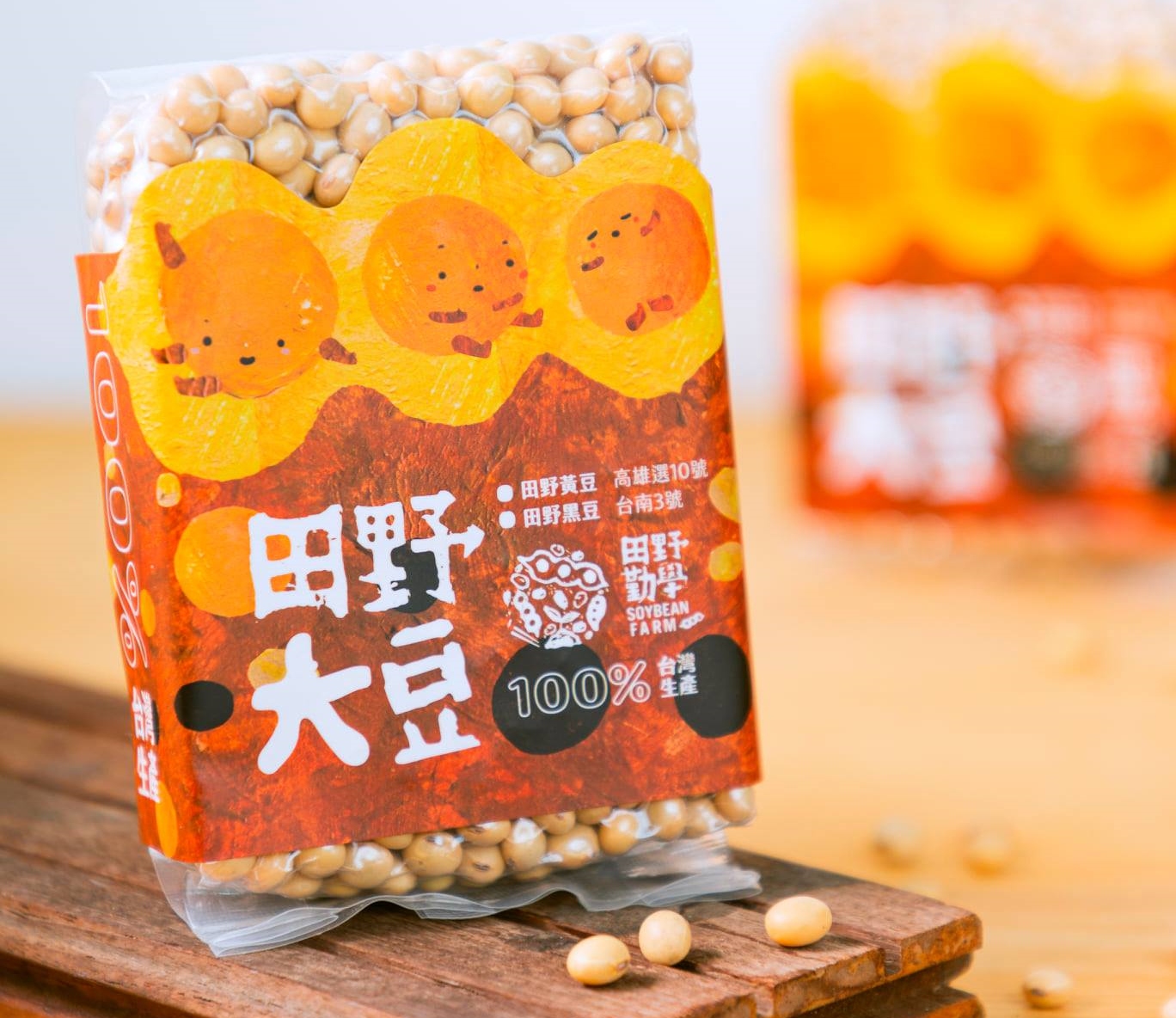
GMO (Genetically Modified Organism) involves using genetic engineering technology to transfer specific foreign genes (such as pest-resistant or herbicide-tolerant genes) into crops, allowing them to exhibit traits that cannot be achieved through natural breeding. Non-GMO refers to varieties developed through natural breeding methods such as traditional hybridization, selection, or mutagenesis. Consumers can distinguish between the two by checking the labels on product packaging.
GMO (Genetically Modified Organism) involves using genetic engineering technology to transfer specific foreign genes (such as pest-resistant or herbicide-tolerant genes) into crops, allowing them to exhibit traits that cannot be achieved through natural breeding. Non-GMO refers to varieties developed through natural breeding methods such as traditional hybridization, selection, or mutagenesis. Consumers can distinguish between the two by checking the labels on product packaging.
Making Soy Milk, Tofu, and Douhua
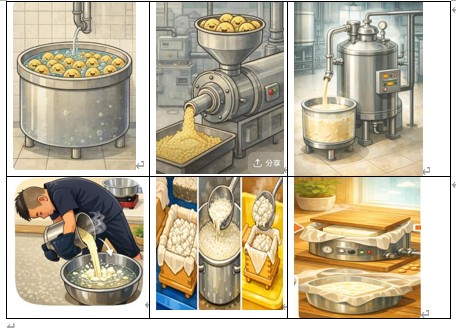
The "Field Learn" Soybean Trilogy: First, domestic soybeans are soaked to allow them to expand and soften. Next, they are sent to a grinder to be crushed and separated into soy milk. The raw soy milk is then pumped into a heating tank, where it is cooked under high temperature and pressure to remove the "beany" smell, resulting in rich and delicious cooked soy milk.
Part of the cooked soy milk is cooled and bottled to become the soy milk we usually drink. Another part undergoes further coagulation and pressing to be made into douhua (tofu pudding), tofu, or dried tofu. By adjusting the pressure and time, the texture and water content of different soy products can be controlled. Douhua is finished once it coagulates, as the focus is on retaining moisture. In contrast, tofu requires draining the water and reshaping, so the manufacturing process and pressing methods are different.
The "Field Learn" Soybean Trilogy: First, domestic soybeans are soaked to allow them to expand and soften. Next, they are sent to a grinder to be crushed and separated into soy milk. The raw soy milk is then pumped into a heating tank, where it is cooked under high temperature and pressure to remove the "beany" smell, resulting in rich and delicious cooked soy milk.
Part of the cooked soy milk is cooled and bottled to become the soy milk we usually drink. Another part undergoes further coagulation and pressing to be made into douhua (tofu pudding), tofu, or dried tofu. By adjusting the pressure and time, the texture and water content of different soy products can be controlled. Douhua is finished once it coagulates, as the focus is on retaining moisture. In contrast, tofu requires draining the water and reshaping, so the manufacturing process and pressing methods are different.
Fude Elementary School, Yongjing Township, Changhua County
Address: No. 36, Fude Lane, Yongjing Township, Changhua County 512
